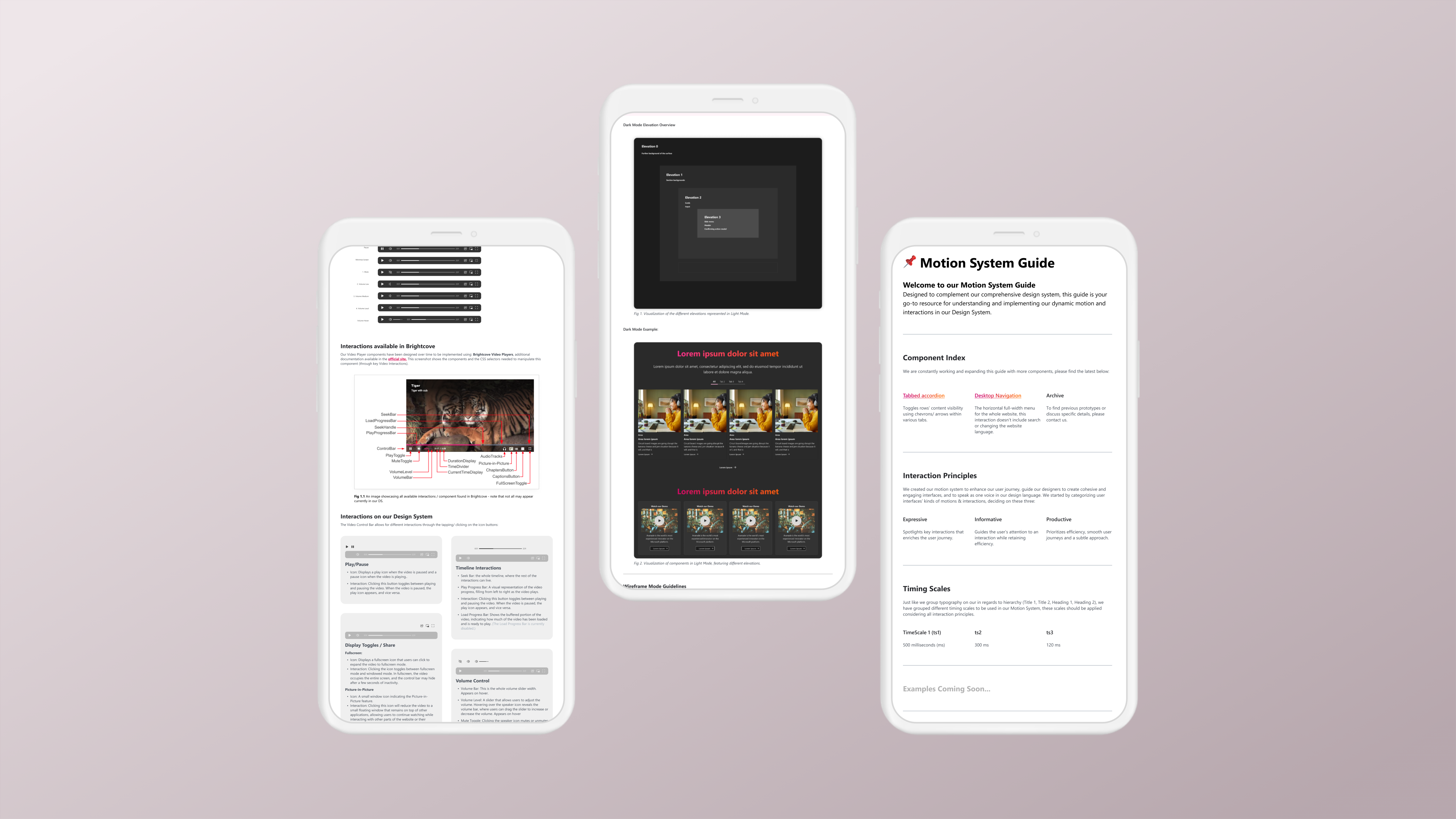
Global Enterprise Search Redesign
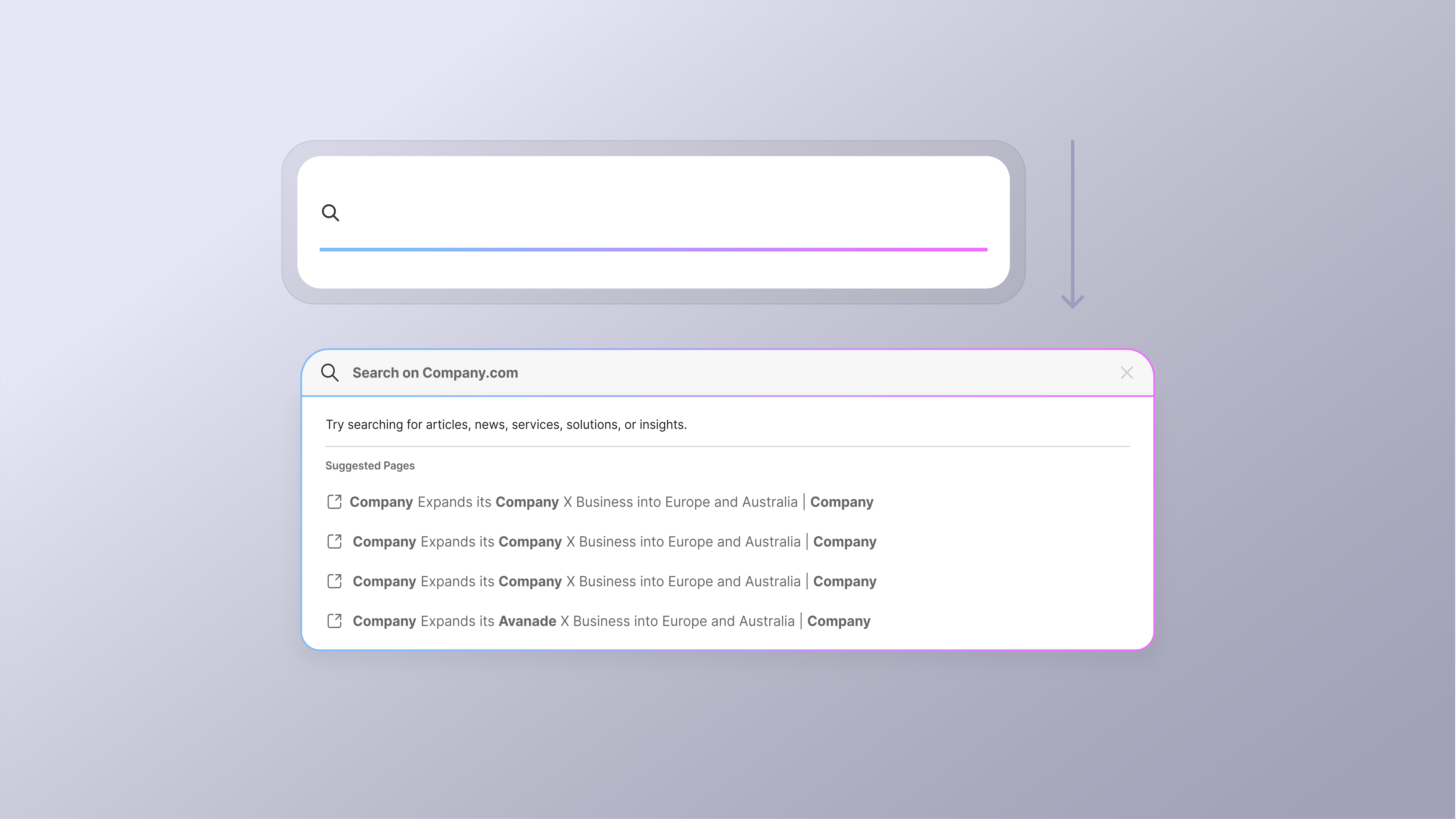

The Challenge
The existing search experience suffered from unclear interaction states, inaccessible patterns, and inconsistent behavior across devices—creating friction for millions of users seeking critical information.
Research & Discovery
- Conducted user interviews identifying key pain points in search flow
- Performed heuristic evaluation against established usability principles
- Analyzed competitor search patterns and emerging best practices
- Mapped user journeys highlighting moments of confusion and abandonment
Design Solution
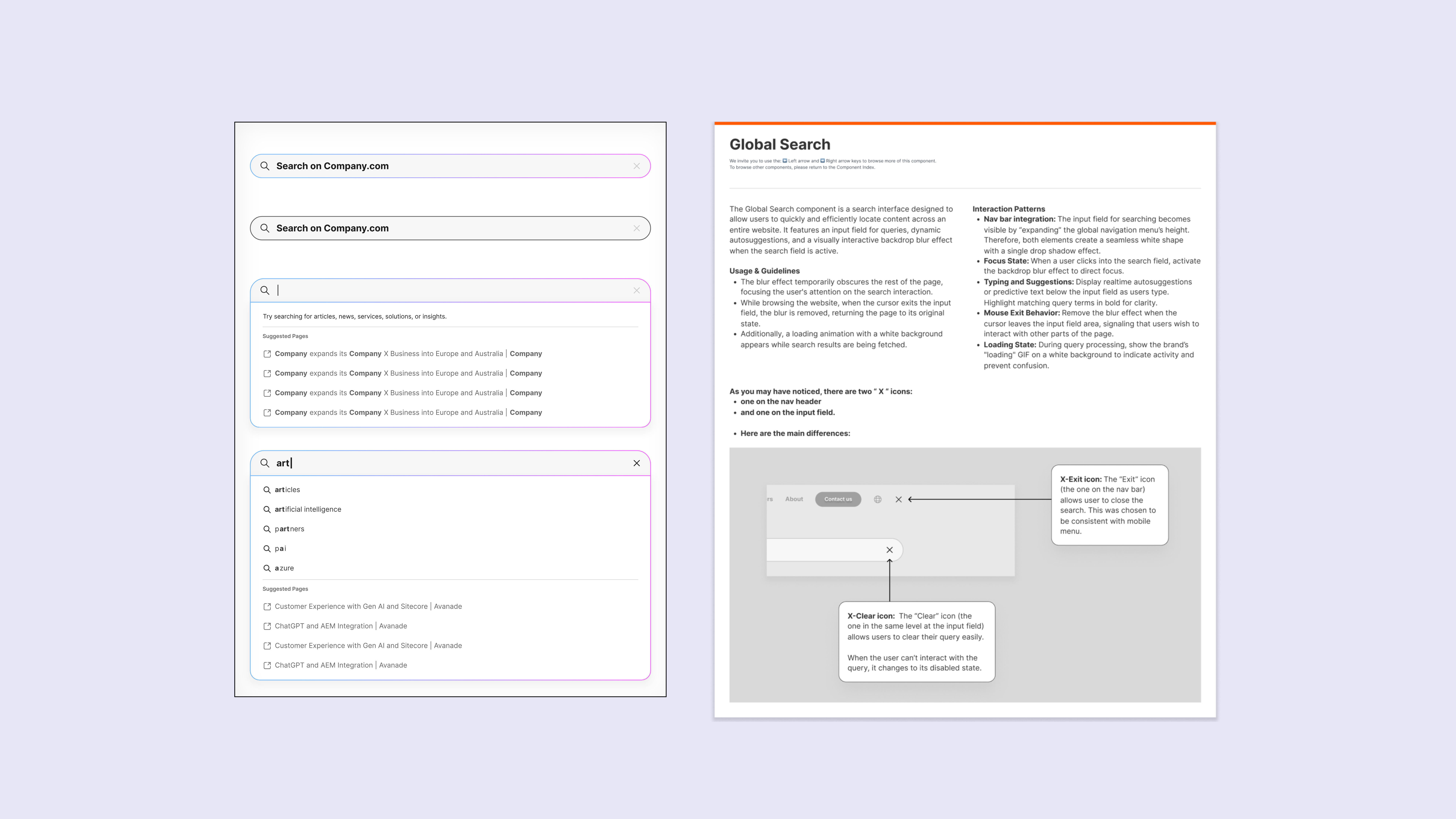
- Debounced Autosuggestion Logic
Designed intelligent autosuggestion behavior balancing performance with real-time feedback—providing suggestions without overwhelming users or creating unnecessary server load. - Clarified Interaction States
Differentiated between "clear search" and "exit search" actions, reducing cognitive load and accidental dismissals. - Accessibility Improvements
Ensured keyboard navigation support, screen reader compatibility, and sufficient color contrast ratios meeting WCAG AA standards. - Responsive Optimization
Created mobile-first designs adapting seamlessly across device sizes without compromising functionality.
Deliverables
- High-fidelity Figma prototypes demonstrating interaction states and loading animations
- Comprehensive UX documentation detailing responsive behaviors and interaction guidelines
- Developer handoff specifications ensuring implementation fidelity