
The Chicken Sandwich Perspective
 Hugo V.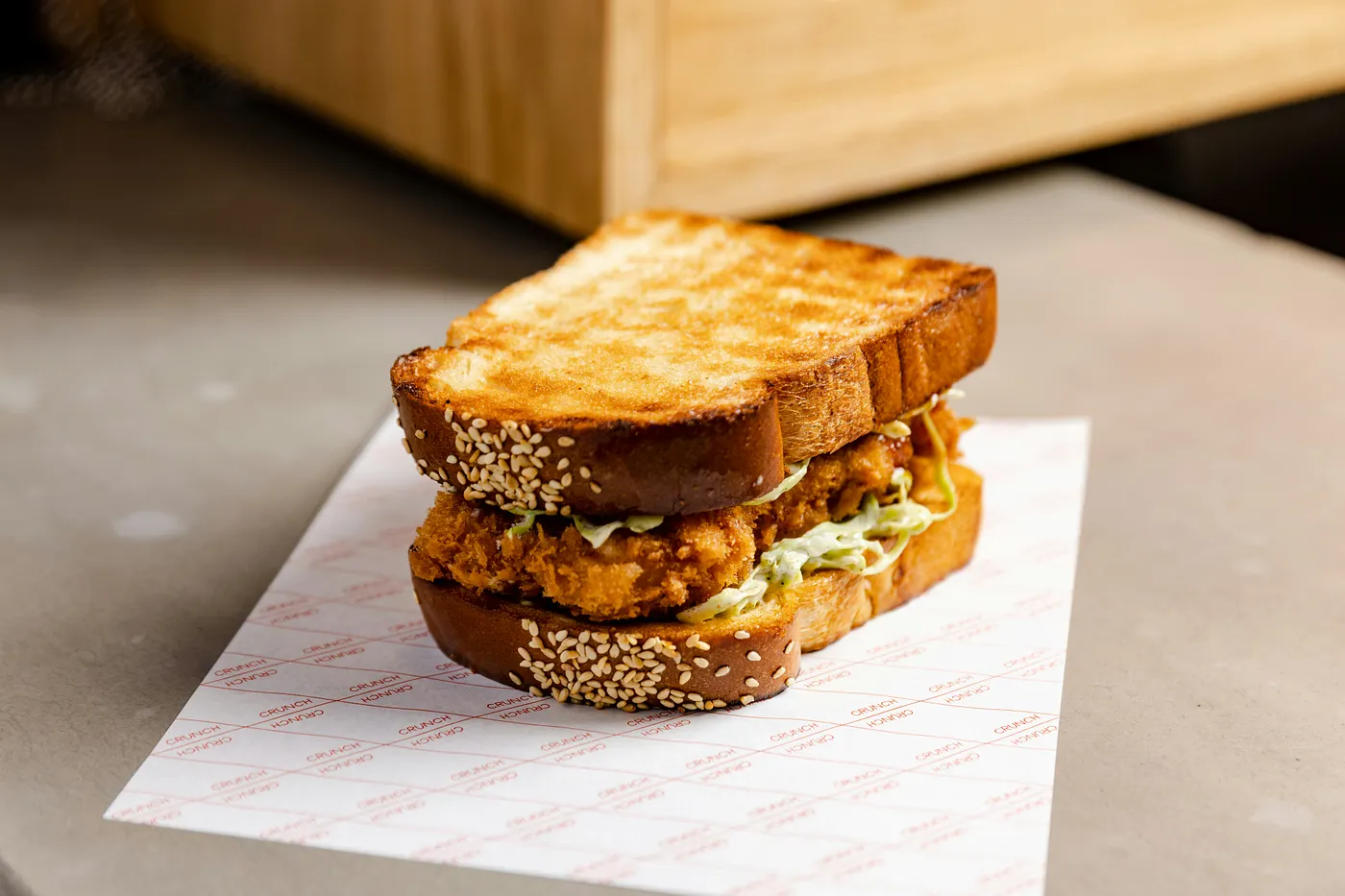
The more I dive into the latest developments, the more my hope for the future skyrockets. I believe Generative AI (and Machine Learning in general) is going to do what every new technology has done before: give us more time to enjoy with our families, discover even more ways to enhance our lives, and maybe (while we’re at it) give us time to catch up with a show or two. It can even help us achieve our goals faster, and I think I’m a living example; I’ve always dreamed of trying my hand at professional writing and creating a semi-grounded animated series. Before today’s AI tools, this idea seemed more like wishful thinking. But now, with ChatGPT (especially with the Plus subscription), I have a tool that lets me research, sketch, craft my sentences, and debate with my AI “assistant” — all while grounding my writing in facts and avoiding hallucinations with online sources. Naturally, this essay itself was also refined and brainstormed using ChatGPT. I’m pretty sure more people are going to thank AI tools soon, because it’s helping so many of us finally bridge the gap between our big dreams and the reality of our busy lives. Despite this, I’ve met many people who are worried about an impending “AI doom” (honestly, a part of me can’t blame them; culturally, AI has been depicted very negatively).
Now, I know many people are terrified of AI, but I think they might be looking at the world through doomsday-tinted glasses. My guess? They’ve forgotten that everything we do, everything we eat, the safety we enjoy, and yes, even some parts of who we are, rely on the sheer effort of those who came before us — and the countless people currently making up the workforce. We’re talking about folks who gave us our ideals, our language, and many others that are continuously working tirelessly to make sure the internet doesn’t crash in the middle of our online shopping sprees.
This story teaches us that many things we take for granted are the result of a lot of hard work — and a fair amount of patience. AI, I think, is poised to take a similar route. It’ll let us save our brainpower for the important stuff, and spare us from menial chores. Heck, people are already urging AI companies to focus on automating laundry and dishes instead of messing with art and expression. That brings us to AI’s most exciting prospect: how to use it to enhance our work and make ourselves more productive.
In the UI/UX field, AI is rapidly becoming indispensable. For example, companies like Adobe and Figma are focusing on streamlining the design process by giving users tools for generating layouts, suggesting color schemes, and even predicting user flows. Recent developments in AI are also making it easier for designers to create adaptive interfaces that automatically adjust to various screen sizes and devices, saving countless hours that would otherwise be spent manually optimizing designs.
Moreover, AI is beginning to play a more significant role in accessibility, helping to identify potential issues in design that could hinder usability for people with disabilities. For instance, Microsoft’s Seeing AI and Google’s Lookout apps are setting the trend by utilizing AI to describe surroundings, read text, and even identify objects, all of which are shaping the future of inclusive design. AI isn’t just automating tasks; it’s enhancing creativity by offering suggestions that push the boundaries of conventional design thinking, enabling users to explore their surroundings, and even helping us connect with one another. In fact, I’ve recently even used AI to brainstorm icebreakers for our team calls… and they’ve turned out to be quite the hit. This is just one small but fun way that AI has helped enhance our work environment, making our meetings more engaging.
However, as we embrace these powerful tools, it’s crucial to consider the broader implications. The rapid pace of AI’s integration into various fields has sparked important discussions around regulation. Globally, there is a growing recognition of the need for comprehensive frameworks that ensure AI is developed and deployed ethically. For instance, the European Union’s AI Act sets stringent regulations for high-risk AI applications, aiming to safeguard user rights and promote transparency. In Latin America, UNESCO has played a pivotal role in guiding legislative discourse on AI regulation. During the first Regional Summit of Parliamentarians on Artificial Intelligence in Buenos Aires, principles-based approaches, transparency mandates, and flexible regulatory frameworks were emphasized as key strategies for governing AI effectively.
Ultimately, AI is not just about automating tasks or accelerating workflows — it’s about opening new possibilities and making once-complicated tasks as simple as ordering a chicken sandwich at your favorite restaurant. Just as we no longer need to spend months (or years) gathering ingredients and making a sandwich from scratch, AI allows us to bypass the drudgery of routine work and focus on what truly matters: creativity, connection, and innovation. As we navigate this evolving landscape, the potential for AI to transform our world for the better is not just a distant hope — it’s a reality we’re actively building, one innovation at a time. By supporting thoughtful regulations and embracing AI as a tool for good, we can ensure that the “chicken sandwich” of our future is something we can all enjoy, quickly, easily, and together. And for those who prefer a meatless option, don’t worry — I’m sure AI will be happy to serve up a delicious veggie option too!